JK Damp ProofingNottingham Specialists
Home

Damp Services

All ServicesDamp InvestigationRising Damp TreatmentProfessional Damp Survey

Specialist Treatments

Mould Control & RemovalStructural WaterproofingEmergency Damp Proofing

Basement Services

Basement TankingBasement ConversionBasement RenovationDPC InstallationInsurance-Backed Guarantees

Areas We Cover

NottinghamGranthamPeterboroughLeicesterMansfieldOakham
AboutCase StudiesBlogReviewsContact
Call NowFree Survey
JK Damp ProofingNottingham Specialists

Professional damp proofing and investigation services across Nottingham, West Bridgford and the surrounding areas. Trusted by homeowners for quality workmanship and lasting solutions.

07545225617
James.kirk@contractor.net
James Kirk
105 Boxley Drive
West Bridgford
Nottingham NG2 7GN
Mon-Sat: 8am - 6pm

Our Services

  • Damp Investigation
  • Rising Damp
  • Damp Survey
  • Mould Control
  • Structural Waterproofing
  • Emergency Damp Proofing

Quick Links

  • About Us
  • Case Studies
  • Reviews
  • Blog
  • FAQ
  • Contact

Areas Covered

  • Nottingham
  • West Bridgford
  • NG2 Area

Need Emergency Help?

24/7 emergency damp proofing service available

Learn More →

© 2025 JK Damp Proofing Services. All rights reserved.

Privacy PolicyTerms of Service
Back to BlogGuides

Condensation vs Damp: How to Tell the Difference

10 January 20244 min readBy James Kennedy
Condensation vs Damp: How to Tell the Difference

Understanding whether you're dealing with condensation or damp is crucial for choosing the right solution. While both can cause damage to your home, they require very different approaches to fix.

What is Condensation? Condensation occurs when warm, moist air meets cold surfaces. It's most common in bathrooms, kitchens, and bedrooms where moisture levels are high. You'll typically see water droplets on windows, mirrors, and cold walls.

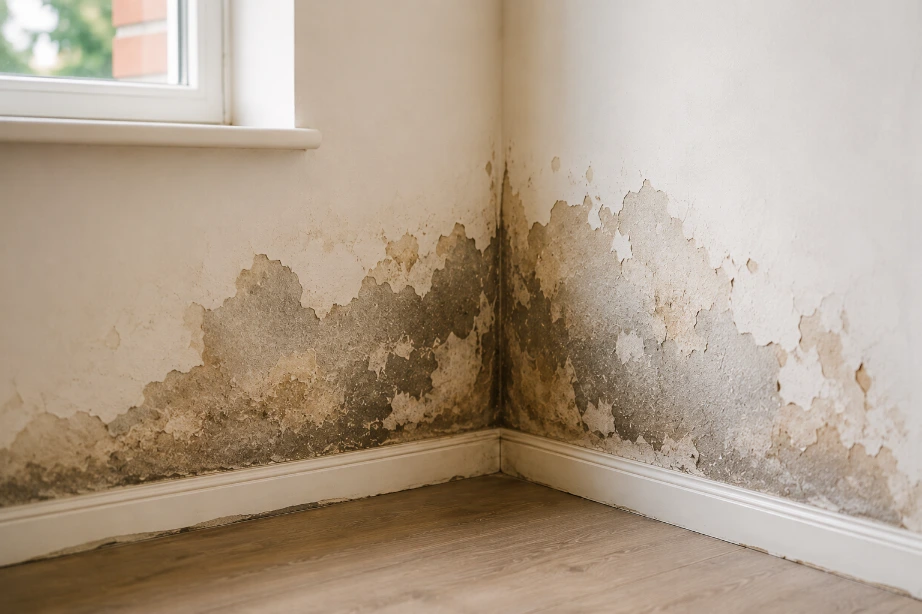
What is Damp? Damp, whether rising or penetrating, is caused by moisture entering your property from external sources. This could be through the ground (rising damp), through walls (penetrating damp), or due to structural defects.

Key Differences Condensation tends to be seasonal, worse in winter when heating creates greater temperature differences. It appears on all cold surfaces and is often accompanied by mould on soft furnishings and clothes. Damp problems persist year-round and are localised to specific areas. Rising damp affects lower walls, while penetrating damp often appears around windows, chimneys, or areas of damaged brickwork.

How to Test A simple test is to tape a piece of foil to the affected area. After 24 hours, check both sides. If moisture is on the room-facing side, it's condensation. If it's on the wall-facing side, you likely have a damp problem that needs professional attention.

Share this article

Related Articles

7 Warning Signs of Rising Damp in Your Home
Damp Problems

7 Warning Signs of Rising Damp in Your Home

Need Help With Damp?

Our experts are here to help. Book a free damp survey and get professional advice.